
A lot of us start the week with the best intentions to meal prep. Then life happens—a car breaks down, a friend needs help, schedule conflicts arise, or family activities take over. Other times, there was no plan to prep at all. Life is simply too busy, or we don't have the bandwidth to even think about cooking. You might just be in survival mode right now. If any of this sounds familiar, this post is for you.
I’ve put together 5 nutritionally well-rounded, nutrient-dense meals that require little to no prep. Each option focuses on whole foods, low-to-no added sugar, balanced macros, at least 10g of fiber, and a minimum of 30g of protein per serving. They are designed to support you during busy or demanding times when you lack the time, energy, or desire to cook—but still want to prioritize your body’s nourishment.
Overcoming the Hidden Pitfalls of Grab-and-Go Meals
One of the main challenges with pre-packaged or grab-and-go options is the hidden amount of sodium, added sugars, and preservatives. The meal ideas below are specifically curated to minimize these issues.
Excess sodium in processed foods is particularly common. The World Health Organization (WHO) recommends keeping daily sodium intake below 2,000 mg while aiming for at least 3,500 mg of potassium (Souza et al., 2025). Ideally, potassium intake should be higher than sodium intake. In typical processed foods, however, this ratio is flipped, with sodium far exceeding potassium. This imbalance can contribute to high blood pressure, as sodium causes the body to retain water, whereas potassium helps release it (Jun et al., 2025).
The “Everything” Cottage Cheese Bowl
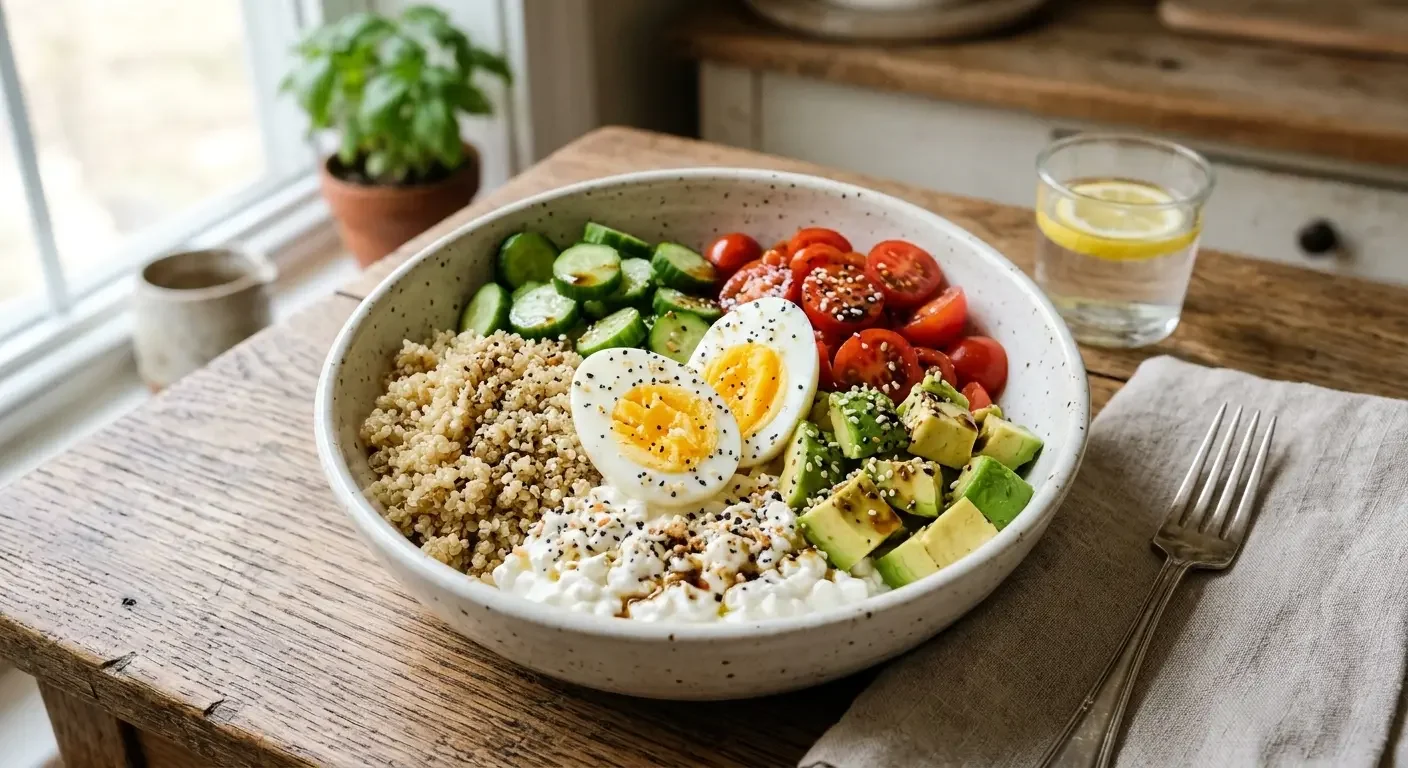
Ingredients:
3/4 cup lowfat 2% cottage cheese (no salt added) (see note 1)
1 tbsp everything bagel seasoning (salt free) (see note 2)
1 tsp extra virgin olive oil
1 tsp balsamic vinegar
1 boiled egg (sliced) (see note 3)
½ cup quinoa cooked frozen(thawed) (see note 4)
½ cup mini cucumber (sliced) (see note 5)
½ cup cherry tomatoes (halved) (see note 6)
1/3 (45 g) avocado (cubed) (see note 7)
Directions
Add the cottage cheese to a bowl and sprinkle with seasoning, olive oil, and vinegar. Thaw the frozen quinoa in the microwave (or in the fridge overnight), then layer the quinoa, fresh vegetables, and avocado on top.
These bowls are great for meal prep! Store them in the refrigerator for up to 3 days. Enjoy!
Recipe Notes & Prep Tips
Note 1 (Cottage Cheese): Always buy no-salt-added cottage cheese. Regular cottage cheese can add upwards of 700 mg of sodium to this single dish.
Note 2 (Everything Bagel Seasoning): Look for a no-salt-added Everything Bagel seasoning blend; regular blends will add roughly 300 mg of additional sodium.
Note 3 (Hard-Boiled Eggs): To save time, purchase pre-boiled and peeled eggs from the grocery store. Alternatively, batch-cook hard-boiled eggs at home—they will keep in the fridge for up to 1 week.
Note 4 (Quinoa & Grain Swaps): You can purchase pre-cooked, frozen steamed quinoa or batch-cook your own to freeze ahead of time. Feel free to swap quinoa for other healthy carbohydrates like farro, beans, or roasted butternut squash.
Note 5 (Cucumber Shortcut): To save prep time, skip slicing cucumbers entirely and use pre-chopped bell peppers instead.
Note 6 (Tomato Options): Save time by buying pre-diced tomatoes or fresh pre-made pico de gallo. If using store-bought pico de gallo, check the nutrition label for added sodium and select a low- or no-salt brand.
Note 7 (Avocado Substitutes): You can substitute fresh avocado with pre-packaged avocado mash or single-serve guacamole cups. Keep in mind that pre-packaged options add sodium—roughly 220 mg for plain avocado mash and about 330 mg for guacamole.
Nutrition Facts:
533 Calories | 30 g Protein | 30 g Net Carbs | Fat 23 g | 7.4 g Fiber | Added Sugar 0 g | Sodium 101 mg | Potassium 982 mg | Zinc 3 mg | Calcium 254 mg | Magnesium 109 mg |
GLP-1 Greek Yogurt Bowl
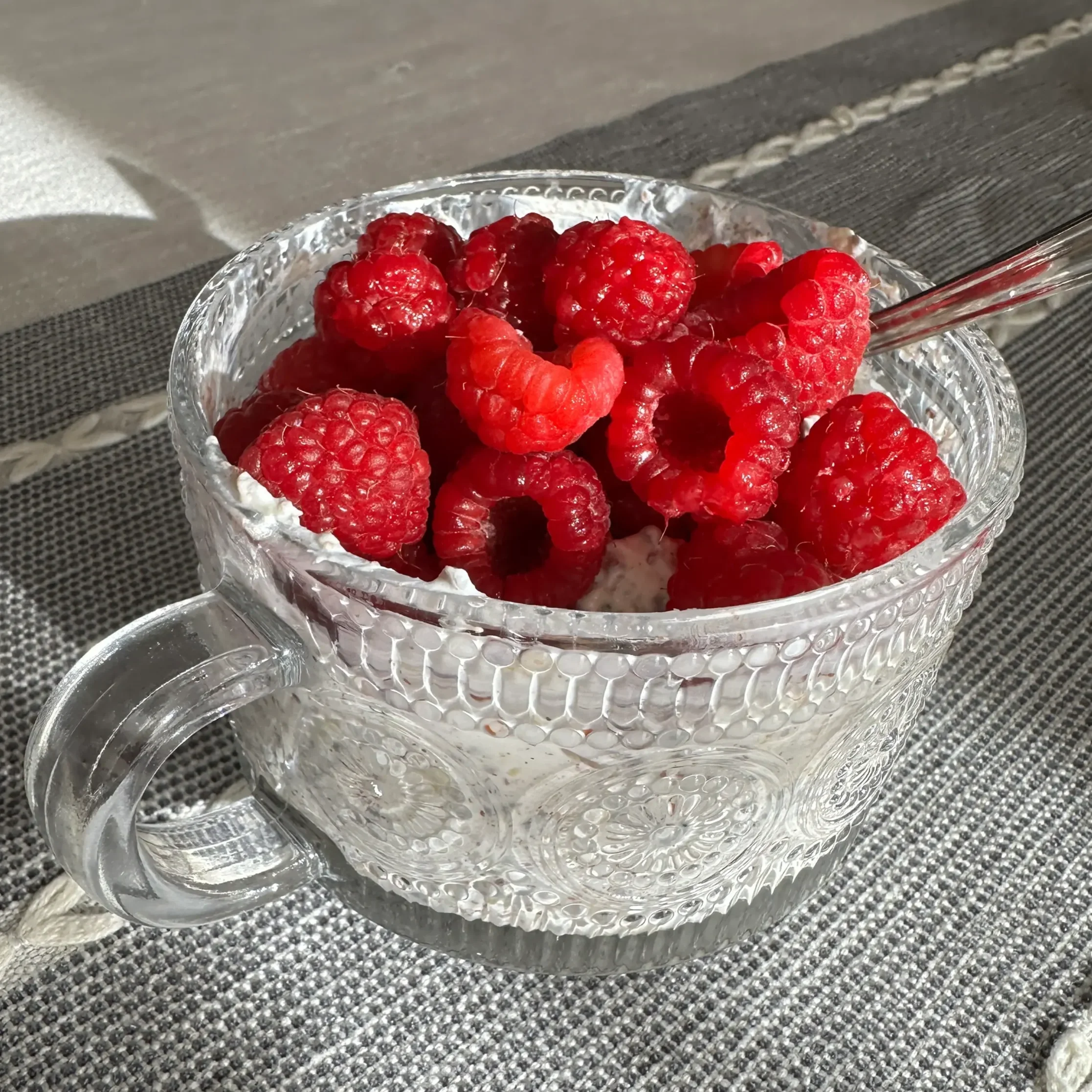
Ingredients:
1 cup nonfat greek yogurt (unsweetened) (note 1)
3 tbsp hemp chia seed flax mix
1 tbsp rolled oats
2.5 tbsp whole milk (or other substitute)
1/8 tsp stevia powder
3 oz. raspberries fresh (see note 2)
Directions
Mix the first four ingredients together in a bowl. Top with fresh fruit and enjoy!
Recipe Notes & Tips
Note 1 (Yogurt Selection): You can use low-fat or full-fat Greek yogurt instead of nonfat. Just keep in mind that if you are watching your calorie intake, the higher-fat versions will increase the total calories.
Note 2 (Fruit & Fiber Swaps): Feel free to swap raspberries for another fruit or berry. While berries offer the highest fiber content, this recipe already gets plenty of fiber from the chia seeds and oats—so any fruit will work well.
Note 3 (Meal Prep): You can prep up to 3 servings at a time and store them in the fridge for up to 3 days. For best results, wait to add the fruit until right before serving to keep it fresh.
Nutrition Facts: 374 Calories | 34 g Protein | 21 Net carbs | 13 g Fat | Fiber 11 g | Added Sugar 0 | Calcium 421 mg | Omega 3s 4 g | Sodium 107 mg | Potassium 769 mg | Selenium 44 ug | Zinc 3.6 mg |
Taco Bowl
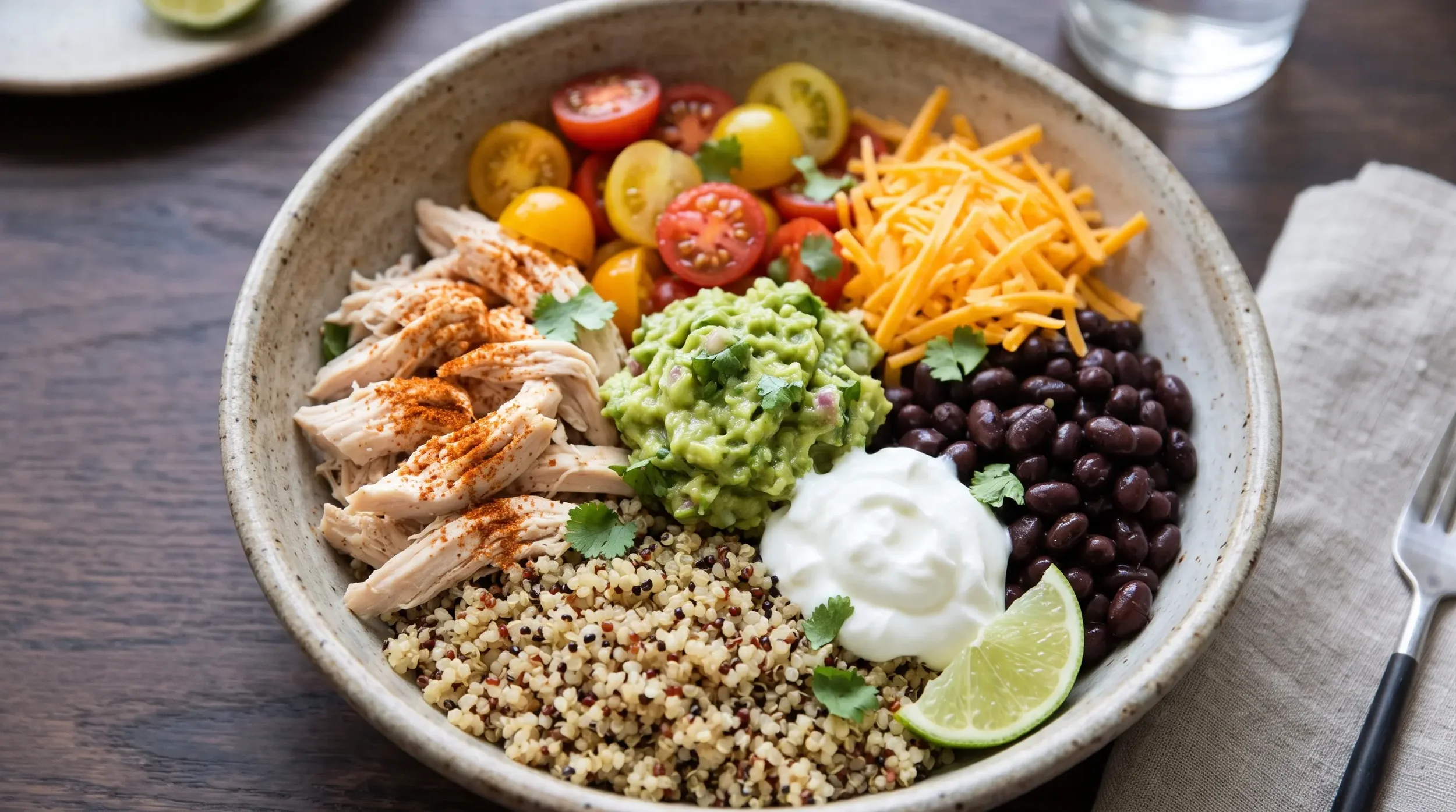
Ingredients:
½ cup precooked quinoa (frozen) (or swap for frozen cauliflower rice)
3 oz. precooked canned no salt added organic chicken breast (see note 1)
2 oz. avocado mash or guacamole (see note 2)
1/3 cup grape or cherry tomatoes (see note 3)
¼ cup canned black beans low sodium (rinsed/drained)
¼ cup non fat greek yogurt
1 oz cheddar cheese
1 tsp lime juice
¼ tsp chili powder
Directions
Place the quinoa, chicken breast, and beans in a microwave-safe bowl and heat until warmed through. Top with avocado, Greek yogurt, cheese, and tomatoes. Enjoy!
Recipe Notes & Tips
Note 1 (Chicken Options): You can use frozen pre-cooked grilled chicken or rotisserie chicken to save time. However, keep in mind that these options contain significantly higher sodium levels. If you want to avoid store-bought pre-cooked meats altogether, batch-cook chicken breast at home and freeze it ahead of time.
Note 2 (Avocado vs. Guacamole): Single-serve guacamole cups are convenient, but pre-packaged plain avocado mash typically contains less sodium. When using pre-cooked foods, keeping sodium from stacking up is often the biggest challenge.
Note 3 (Tomato & Salsa Choices): You can top this bowl with canned salsa, fresh pico de gallo, or halved grape/cherry tomatoes. Keep sodium levels in mind: canned salsa has the highest sodium, followed by pico de gallo, while fresh cherry or grape tomatoes have the least.
Note 4 (Rinsing Beans): Canned beans can be a major source of hidden sodium. It is critical to choose low-sodium canned beans and rinse and drain them thoroughly before adding them to your bowl.
Nutrition Facts:
483 Calories | 39 g Protein | 26 g Net Carbs | 22 g Fat | 9.6 g Fiber | Sodium 466 mg | Potassium 1055 mg | Calcium 305 mg | Magnesium 91 mg | Zinc 2.7 mg | Added Sugar 0 |
Mediterranean Bean Salad
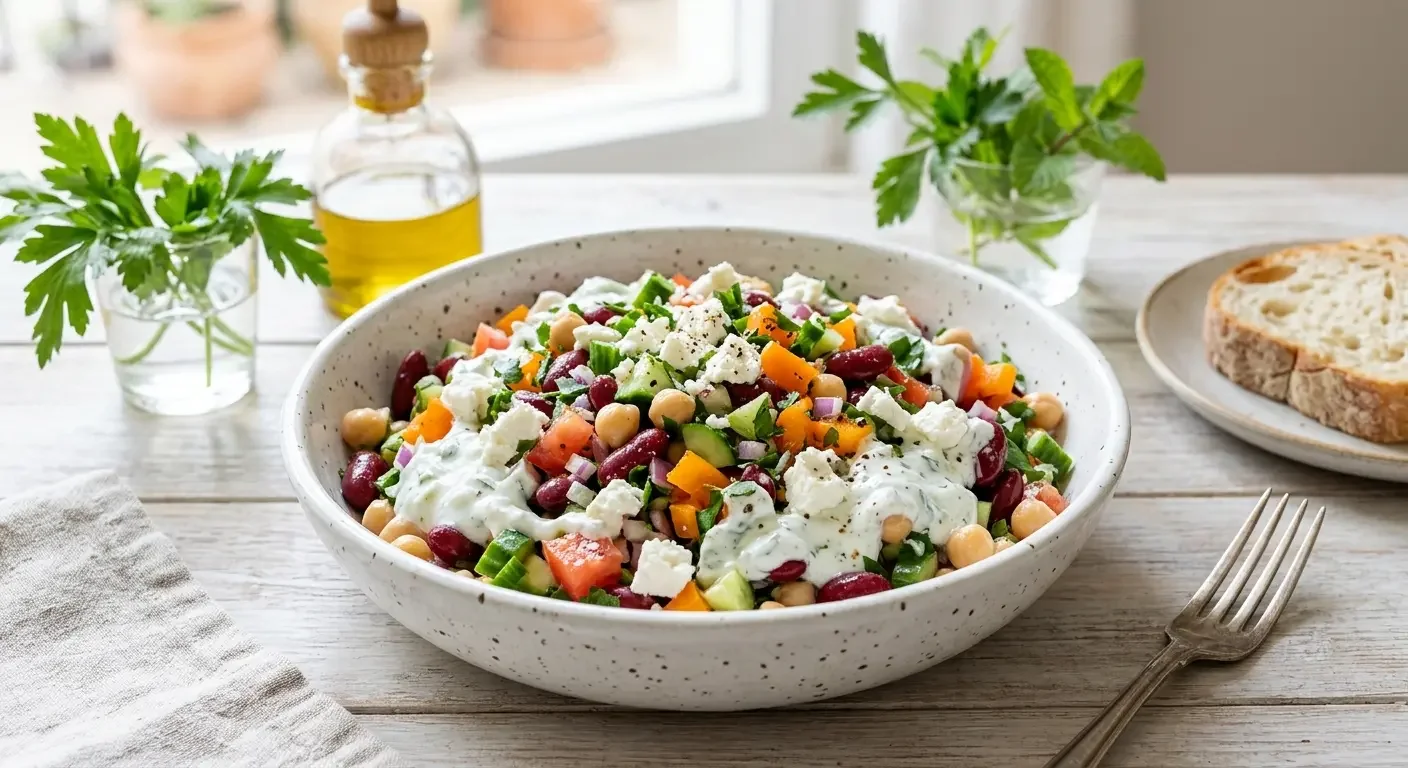
Ingredients:
4 oz. canned kidney beans low sodium (rinsed and drained) (note 1)
4 oz. chickpeas low sodium (rinsed and drained)
1/2 mini cucumbers (chopped)
½ cup tomato (diced) (see note 2)
2 tbsp fresh bell pepper (chopped)
2 tbsp fresh red onion (diced)
2 tbsp fresh parsley (chopped) (see note 3)
¼ cup cup feta cheese
1/4 cup tzatziki
Directions:
Rinse and drain the canned beans, then add them to a bowl. Add the remaining ingredients, mix well, and enjoy!
Recipe Notes & Tips
Note 1 (Bean Prep & Digestive Health): Opt for low-sodium canned beans, as regular varieties are a major source of hidden salt. Always rinse and drain them thoroughly to wash away excess sodium and phytic acid (an anti-nutrient).
Digestive Tip: If you are sensitive to FODMAPs or aren't accustomed to a high-fiber diet, this recipe may cause bloating. If you experience these sensitivities, taking an enzyme supplement like FODZYME® can help break down FODMAPs and improve digestion.
Note 2 (Veggie Shortcuts): To save prep time, purchase pre-diced fresh tomatoes, bell peppers, and onions from the produce section—or chop them yourself if you have the time.
Note 3 (Herb Prep): Save time washing and chopping fresh parsley by buying pre-cut packaged herbs. Look for squeezed herbal paste in tubes or lightly dried herbs in the produce aisle.
Nutrition Facts:
476 Calories | 30 g Protein | 46 g Net Carbs | 13 g Fat | 16.5 g Fiber | Sodium 512 mg | Potassium 1041 mg | Calcium 340 mg | Magnesium 104 mg | Zinc 3.1 mg | Added Sugar 0 |
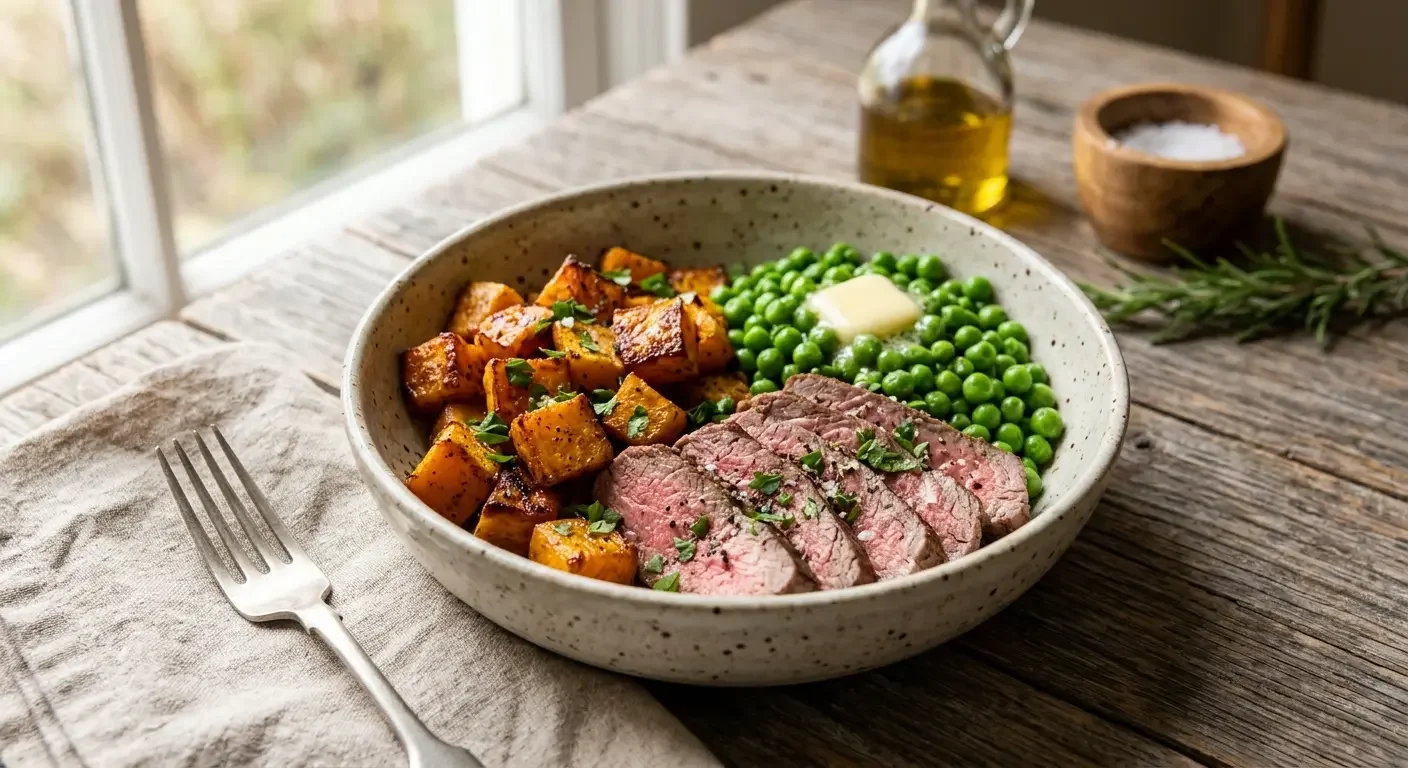
Beef and Butternut Bowl
Ingredients:
4.5 oz. cuisine solutions sliced cooked grass-fed beef sirloin (see note 1)
2 cup butternut squash (cubed) (see note 2)
1 tsp olive oil or butter (see note 3)
1 tsp grass fed butter
1/4 tsp garlic powder
1/8 tsp pepper
½ cup green peas (frozen)
Directions:
Place the butternut squash cubes in a bowl and toss with olive oil, garlic, and pepper. Air-fry for 20 minutes at 375°F.
Meanwhile, place the frozen peas in a microwave-safe bowl with 1 teaspoon of butter and heat until warm. In a separate microwave-safe bowl, heat the pre-cooked steak until warmed through. Once the squash is done, combine everything in a bowl and enjoy!
Recipe Notes & Tips
Note 1 (Steak Selection): You can purchase pre-cooked, grass-fed sirloin at Costco. Sirloin is a great choice over pricier cuts because it is relatively lean, keeping the total calories and saturated fats lower than marbled cuts like ribeye.
Note 2 (Squash Shortcuts): To save prep time, purchase pre-cubed butternut squash either fresh (available at Costco and most grocery stores) or frozen.
Note 3 (Butter vs. Olive Oil): Use butter for superior flavor or swap in olive oil for superior nutrition. If you are actively trying to reduce your saturated fat intake, opt for olive oil.
Nutrition Facts:
489 Calories | 36 g Protein | 39 g Net Carbs | 17 g Fat | 17 g Fiber | Sodium 539 mg | Potassium 1261 mg | Calcium 188 mg | Magnesium 137 mg | Vitamin E 6.6 mg | Vitamin A Beta-Carotene 2370 ug | Added Sugar 0 |
References
Jun, H.-J., Kim, S., & Jo, G. (2025). Age-period-cohort analysis of dietary sodium, potassium, and sodium-to-potassium ratio in Korea. Epidemiology and Health, 47. https://doi.org/10.4178/epih.e2025062
Souza, A. M., Bezerra, I. W. L., Torres, K. G., Pereira, G. S., Costa, R. M., & Oliveira, A. (2025). Association of Dietary Sodium-to-Potassium Ratio with Nutritional Composition, Micronutrient Intake, and Diet Quality in Brazilian Industrial Workers. Nutrients, 17. https://doi.org/10.3390/nu17152483