
Rachel Carbone MS, BCDNM, LMT
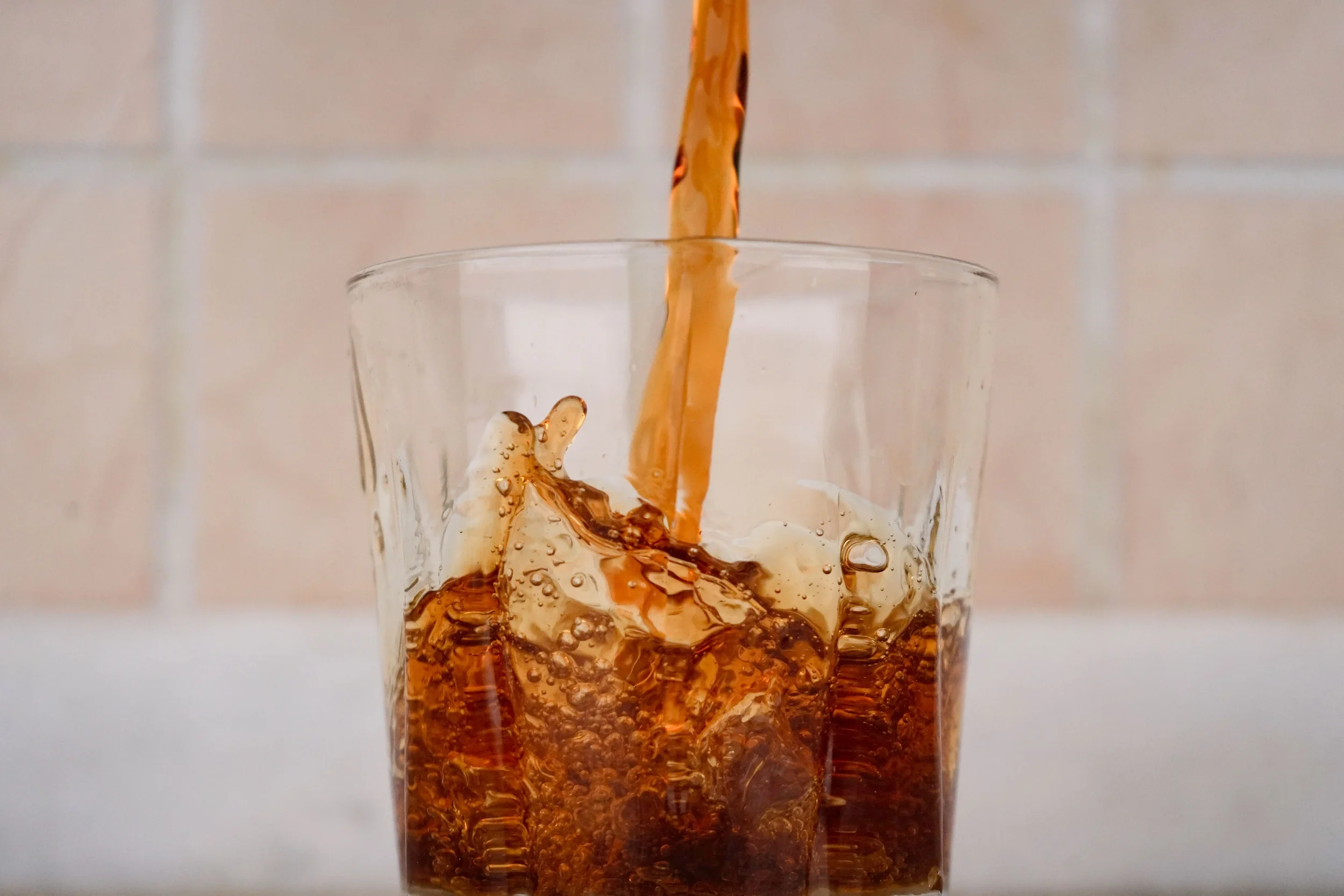
We all know the feeling: you are trying to cut back on sugar, improve your health, and maybe shed a few stubborn pounds. So, you reach for a diet soda, order a zero-sugar energy drink, or sprinkle a packet of zero-calorie sweetener into your morning coffee. Nonnutritive sweeteners (like aspartame, sucralose, stevia, and saccharin) promise the sweet taste we as humans biologically crave, but without the caloric baggage that comes with regular sugar. It sounds like the ultimate biological hack. But do they actually help with weight loss?
When we look at the highest levels of scientific evidence, the answer is incredibly complicated. Let's break down what happens in the short term versus the long term, and explore a fascinating scientific phenomenon known as the "Diet Soda Paradox."
The Short-Term Win: What Clinical Trials Tell Us
If you are currently drinking regular, sugar-sweetened beverages (SSBs) and you swap them for artificially sweetened beverages (ASBs), you will likely see a tangible benefit on the scale. We know this thanks to Randomized Controlled Trials (RCTs), which are considered the gold standard of scientific research. In an RCT, scientists take a group of people, randomly assign them to different diets, and meticulously control what they eat and drink over a period of weeks or months.
According to an updated meta-analysis of these clinical trials, replacing sugar with artificial sweeteners leads to small but statistically real improvements in body composition. On average, participants lose about 0.73 kilograms (around 1.6 pounds) of body weight, experience a drop in their Body Mass Index (BMI) by 0.31 kg/m², and reduce their total body fat percentage by 0.72% (Choi et al., 2026).
This makes logical sense. If you were drinking 300 calories of soda a day and you drop that to zero calories without changing anything else, you are creating a caloric deficit. However, there is a catch. Most of these clinical trials are short, typically lasting anywhere from 3 to 76 weeks (Choi et al., 2026). What happens when people consume these zero-calorie sweeteners for years or even decades?
The Long-Term Mystery: The Cohort Studies
To understand the long-term effects of our diets, scientists use a different type of study called a "prospective cohort study." Instead of locking people in a lab, researchers track tens of thousands of free-living adults over a long period—sometimes 10, 20, or 30 years—checking in on their diets and their health outcomes periodically.
Here is where the data gets weird. In these massive, long-term observational studies, people who habitually consume high amounts of artificial sweeteners actually tend to gain more weight and have a higher risk of developing obesity over time compared to people who do not consume them (Azad et al., 2017). They also show modest increases in waist circumference and BMI (Choi et al., 2026).
How can a drink with zero calories cause long-term weight gain? Are diet sodas secretly breaking our metabolisms?
The Illusion of Cause and Effect: Understanding Reverse Causation
To understand this paradox, we have to look at a statistical quirk known as reverse causation, or "confounding by indication."
Imagine you are an alien observing Earth, and you notice that every time there is a massive, devastating house fire, there are dozens of firefighters present. You might conclude that firefighters cause house fires. But you have the cause and effect backward; the fire caused the firefighters to show up.
A similar phenomenon happens in nutrition science. Who is the most likely demographic to drink diet soda or use sugar substitutes? Usually, it is people who are already overweight, obese, or have been warned by their doctor about pre-diabetes. They are actively trying to lose weight or manage early signs of metabolic issues (Azad et al., 2017).
Therefore, in these long-term studies, high consumption of diet drinks often acts as a "marker" or a symptom that someone is already struggling with their weight, rather than the artificial sweetener being the root cause of the weight gain (Choi et al., 2026). To combat this, high-quality prospective cohorts try to statistically adjust for a person's starting weight or completely exclude people who already have metabolic disease at the beginning of the study. Even with these mathematical adjustments, researchers admit it is nearly impossible to completely erase the effects of reverse causation (Azad et al., 2017; Choi et al., 2026).
The Psychology of Eating: Behavioral Compensation
Beyond statistical quirks, there is a very real psychological component at play. Consumers of diet beverages often fall into the trap of "behavioral compensation" (Choi et al., 2026). This is the psychological mechanism where you consciously or subconsciously tell yourself, “I saved 200 calories by ordering a diet soda, so it’s perfectly fine to upgrade my french fries to a large or order a dessert.” Over the course of years, this mental accounting can distort a person's energy balance. You end up consuming more calories overall, effectively erasing the caloric deficit the diet drink was supposed to provide.
The Biological Wildcard: Taste Receptors and the Gut
Finally, we must consider emerging biological theories. While artificial sweeteners do not contain calories, they are intensely sweet—often hundreds of times sweeter than table sugar. Our bodies are equipped with sweet taste receptors not just on our tongues, but all throughout our digestive tracts, including the gut and pancreas (Choi et al., 2026).
Some researchers hypothesize that flooding our systems with an intensely sweet taste without delivering the corresponding calories may confuse the brain-gut connection. It could reinforce a lifelong psychological preference for ultra-sweet foods, making it harder for individuals to enjoy naturally sweet, healthy foods like fresh fruit. There is also ongoing, highly debated research regarding how certain artificial sweeteners might interact with our gut microbiome, potentially altering the bacteria that help regulate our metabolisms.
The Bottom Line on Weight Loss: If you drink a lot of sugary beverages, swapping them for artificially sweetened ones is a smart, scientifically backed short-term bridging strategy to lower your immediate calorie intake (Choi et al., 2026). However, they are not a long-term magic bullet for weight loss. The ultimate, sustainable public health goal is to retrain your palate to enjoy beverages that are neither caloric nor intensely sweet, such as plain water, sparkling water, or unsweetened teas.
Disclaimer: The information provided in this article is for educational and informational purposes only and is based solely on the scientific literature reviewed above. It is not intended as medical or nutritional advice, nor should it be used as a substitute for professional medical diagnosis, treatment, or guidance.
References:
Azad, M. B., Abou-Setta, A. M., Chauhan, B. F., Rabbani, R., Lys, J., Copstein, L., Mann, A., Jeyaraman, M. M., Reid, A. E., Fiander, M., MacKay, D. S., McGavock, J., Wicklow, B., & Zarychanski, R. (2017). Nonnutritive sweeteners and cardiometabolic health: A systematic review and meta-analysis of randomized controlled trials and prospective cohort studies. CMAJ, 189(28), E929–E939. https://doi.org/10.1503/cmaj.161390
Choi, J. H., Song, S., Kim, S. K., et al. (2026). Health effects of sugar-sweetened and artificially sweetened beverages: Umbrella review and evidence-based consensus statement of the Korean Diabetes Association and the Korean Nutrition Society. Diabetes & Metabolism Journal, 50, 32–46. https://doi.org/10.4093/dmj.2025.0848